
Best Cooperative Board Games for Kids
In a cooperative board game, everyone plays on the same side against the game itself. No player elimination, and no meltdown over losing to a sibling. These 3 are the real standouts.
By the USA Toy Deals Team · Updated July 2026 · 6 min read
Who it's forFor a family where competitive games trigger tears, or a group of kids at different skill levels who need a game that doesn't punish the weakest player.
Some links on this page are affiliate links. If you buy through one, we may earn a commission at no extra cost to you. We only recommend what we'd actually buy for our own kids. Full disclosure.
Cooperative board games flip the usual game night dynamic: instead of players competing against each other, the whole table works together against a shared challenge, a sinking island, a set of clues, a sunset deadline.
That structure removes a specific kind of conflict: no one at the table loses to a sibling, and a younger or less experienced player can't be the reason the family loses without everyone else also losing.
The 3 picks below span an easy preschool entry point through a real strategy challenge for an older cooperative-game crowd.
Compare our picks
| Toy | Best for | Ages | Price | Bottom line | |
|---|---|---|---|---|---|
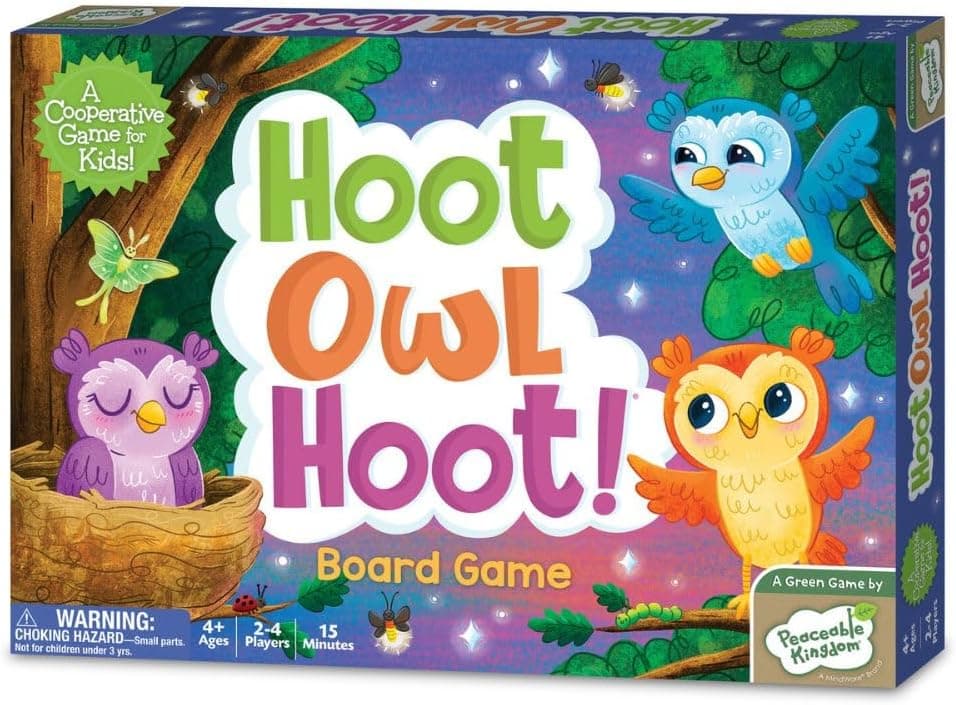 ★ Hoot Owl Hoot! ★ Hoot Owl Hoot! | Best for Preschoolers | 3-5 | $ | Hoot Owl Hoot! does one thing and does it well: it's a genuinely cooperative game simple enough for a 3-year-old to follow, with just enough of a decision in choosing which owl to move that the adult playing along stays interested too. The two real weak points are physical, thin cards that wear over time and owl pieces that look too similar, not the gameplay itself. For a family building a shelf of early cooperative games, it's the [preschooler pick](/guides/best-cooperative-board-games-for-kids) for a reason. | See price (opens Amazon in a new tab) |
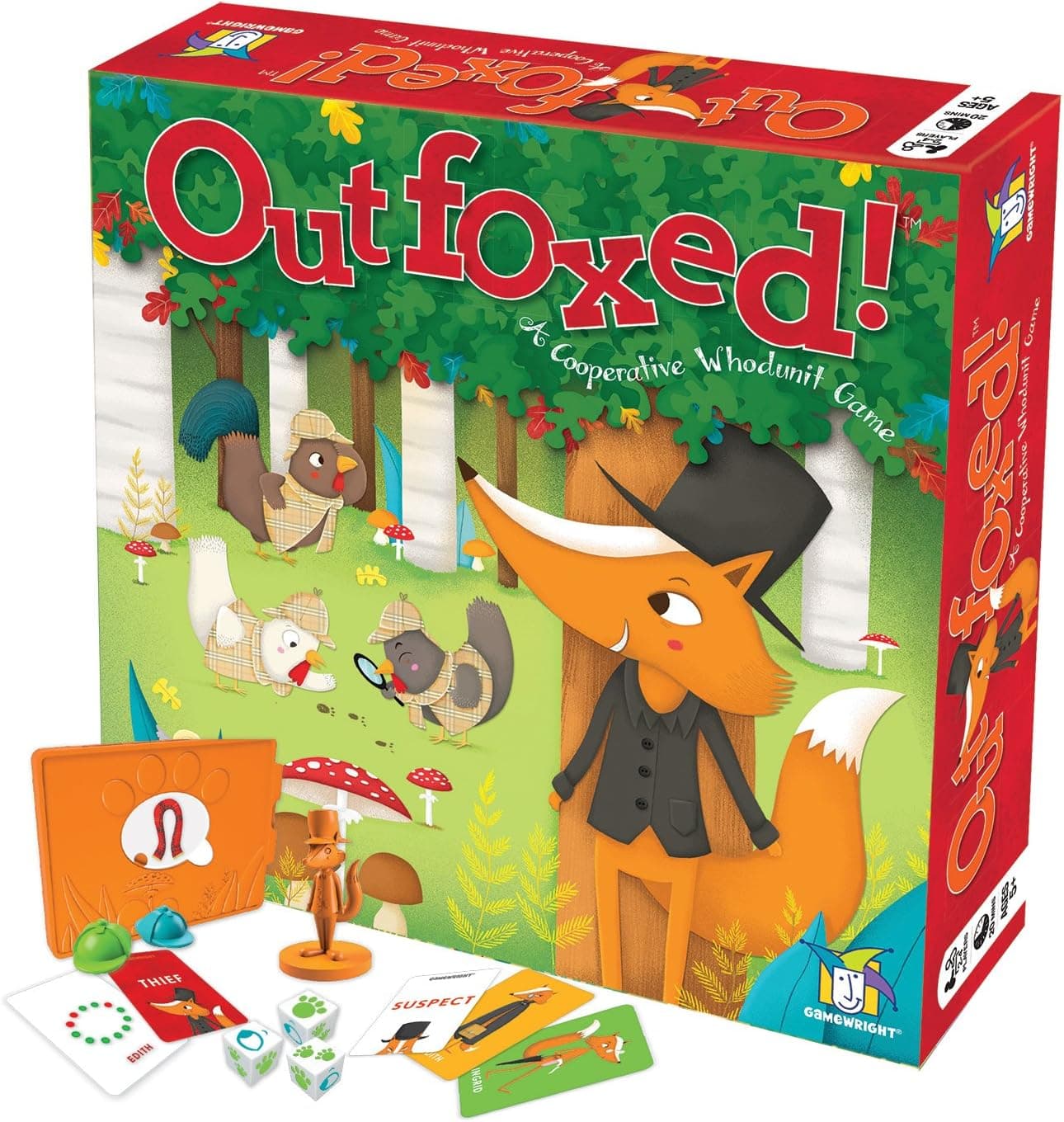
| Outfoxed! | Best Overall | 6-8 | $$ | Outfoxed! delivers exactly what it promises: a short, genuinely cooperative deduction game that a preschooler can meaningfully participate in thanks to the clue detector, without anyone at the table losing to a sibling. The luck-driven dice rolls and the fact that adults will burn through the mystery variety faster than kids do are real limits, but for the age range it's built for, that's a minor tradeoff against a game that gets requested again and again. It holds its own as a starting point in our [best cooperative board games for kids](/guides/best-cooperative-board-games-for-kids) guide. | See price (opens Amazon in a new tab) |
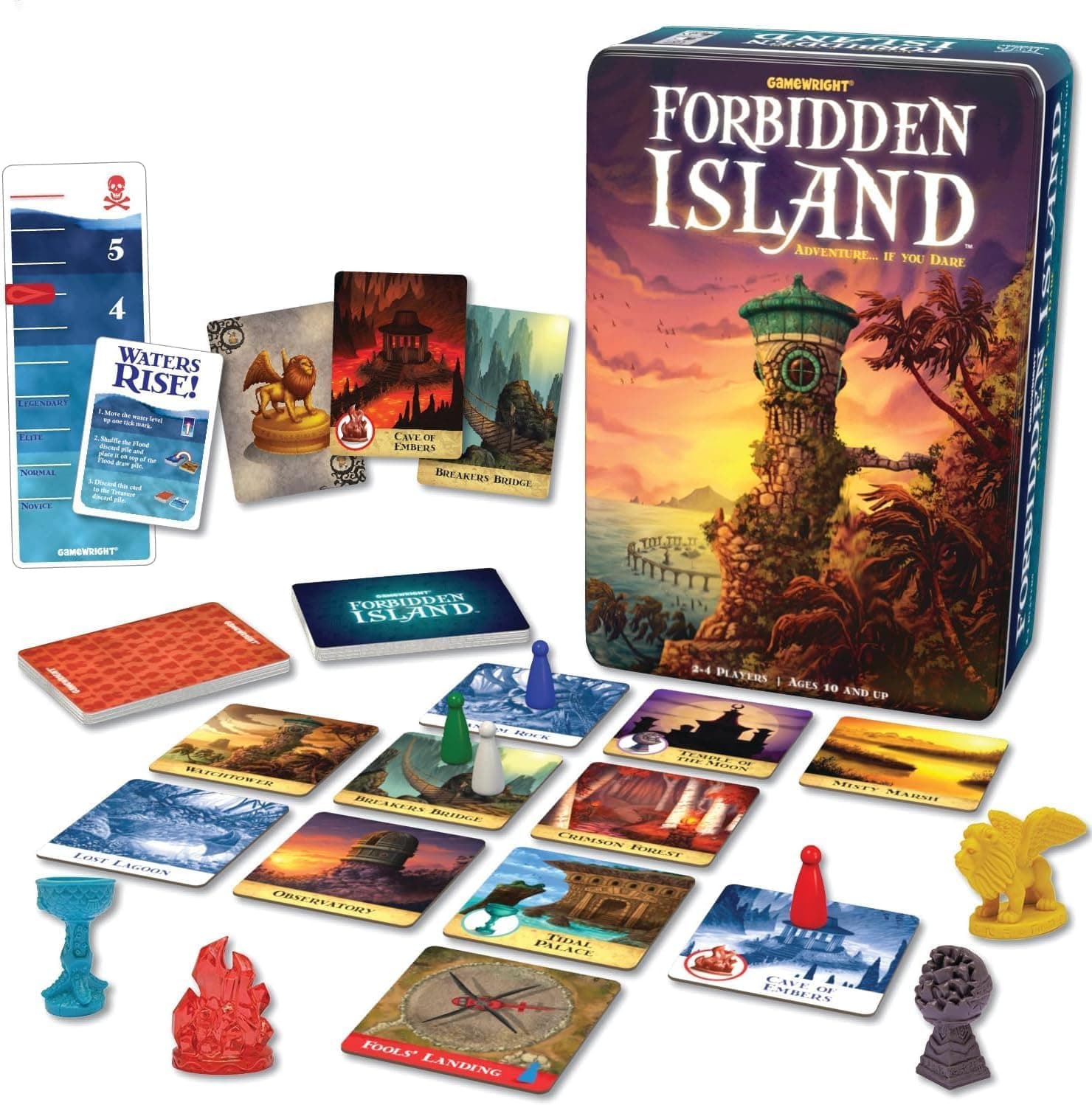 Forbidden Island Forbidden Island | Best for Older Kids | 8-10 | $$ | Forbidden Island earns its reputation as one of the better entry points into cooperative gaming. It's not deep enough to satisfy a table of hardcore strategy gamers on its own, and the cards could be sturdier, but as a fast, teamwork-first game that scales from a 5-year-old playing alongside a parent up through a full family of four working the treasure hunt, it delivers on what it promises. If your family already likes it, our [best cooperative board games for kids](/guides/best-cooperative-board-games-for-kids) guide has a few more picks at different difficulty levels. | See price (opens Amazon in a new tab) |
What Makes a Cooperative Board Game Work
The best cooperative games give every player a real, active role, not just a bystander watching an older kid make all the decisions.
What to check before buying a cooperative board game
- Every player needs a real role: a good design keeps a younger player actively contributing, not just watching.
- A difficulty option: several cooperative games include an easier and harder mode on the same board, useful as kids get better at the game.
- A genuine shared win/loss: the whole table should win or lose together, not just one player racing to a personal goal.
- Replay value: cooperative games with variable setups (different clue combinations, different map layouts) hold up better to repeat play.
3 Real Cooperative Board Games
Best for Preschoolers
A color-matching cooperative game for kids years away from a strategy game: get every owl home before sunrise, working together instead of against each other. The entry point to cooperative play.
Hoot Owl Hoot! (Ages 3-5) (opens Amazon in a new tab)
Color-matching cooperative game, the entry point to cooperative play for preschoolers.
Best Overall
Everyone works out which fox stole the pie together, using a slide-in clue detector instead of reading. No player elimination and no one loses to another player, only to the clock.
Outfoxed! (Ages 6-8) (opens Amazon in a new tab)
Everyone works out a mystery together using a clue detector, no reading required.
Best for Older Kids
A sinking-island survival game where the whole table wins or loses together, with a difficulty dial for an easier or harder version of the same board. A step up in complexity for an older cooperative-game crowd.
Forbidden Island (Ages 8-10) (opens Amazon in a new tab)
Sinking-island survival game with an adjustable difficulty dial, for an older cooperative crowd.
Frequently Asked Questions
Frequently asked questions
What age can kids start playing cooperative board games?
As young as 3-4 with a simple design like Hoot Owl Hoot!, which uses color matching instead of reading or complex strategy.
Do cooperative board games actually work for kids with a big skill gap?
Yes, since the whole table wins or loses together, a stronger player can help a younger one without anyone 'losing' to a sibling the way they would in a competitive game.
Is Forbidden Island too hard for kids?
It includes an adjustable difficulty level on the same board, so a family can start on the easy setting and increase it as kids get more comfortable with the mechanics.
What's the difference between cooperative and competitive board games?
In a cooperative game, every player is on the same team against a shared challenge. In a competitive game, like most of the picks in the family board games guide, players compete against each other to win individually.