
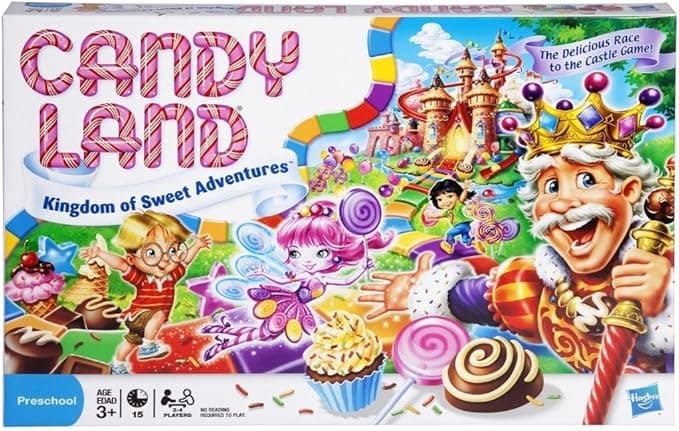
Best for Preschoolers
Candy Land Kingdom of Sweet Adventures Board Game
Best Classic Board Games for Families
Some board games have been on shelves for decades because they still work, not just because of nostalgia. Here are 6 real classics still worth buying today.
By the USA Toy Deals Team · Updated July 2026 · 7 min read
Who it's forFor a parent who grew up with these games and wants to know which ones actually hold up for their own kids, not just a nostalgia purchase.
Some links on this page are affiliate links. If you buy through one, we may earn a commission at no extra cost to you. We only recommend what we'd actually buy for our own kids. Full disclosure.
A lot of 'classic' toys get bought purely on nostalgia and then sit unplayed. These 6 board games are the exception, they're still genuinely well-designed for the age range they target, which is why they've stayed in print for decades.
Each pick below targets a slightly different age and mechanic, from a toddler's first spinner game through a builder's favorite trap-assembly game.
For a modern strategy game one step up from these, see the family board games guide's Ticket to Ride pick in the 2-player guide.
Compare our picks
| Toy | Best for | Ages | Price | Bottom line | |
|---|---|---|---|---|---|
| ★ Candy Land Kingdom of Sweet Adventures Board Game | Best for Preschoolers | 3+ | $ | This modern redesign of the classic, a shorter, faster-playing board built specifically for the 3-to-6 age window, is landing exactly as intended: a very high rating with an unusually strong no-reading-required reputation among parents of mixed-age siblings. It won't hold an older kid's attention on its own merits, there's no decision-making, just draw and move, but as a first board game for a preschooler it's about as close to a sure thing as this category gets. | See price (opens Amazon in a new tab) |
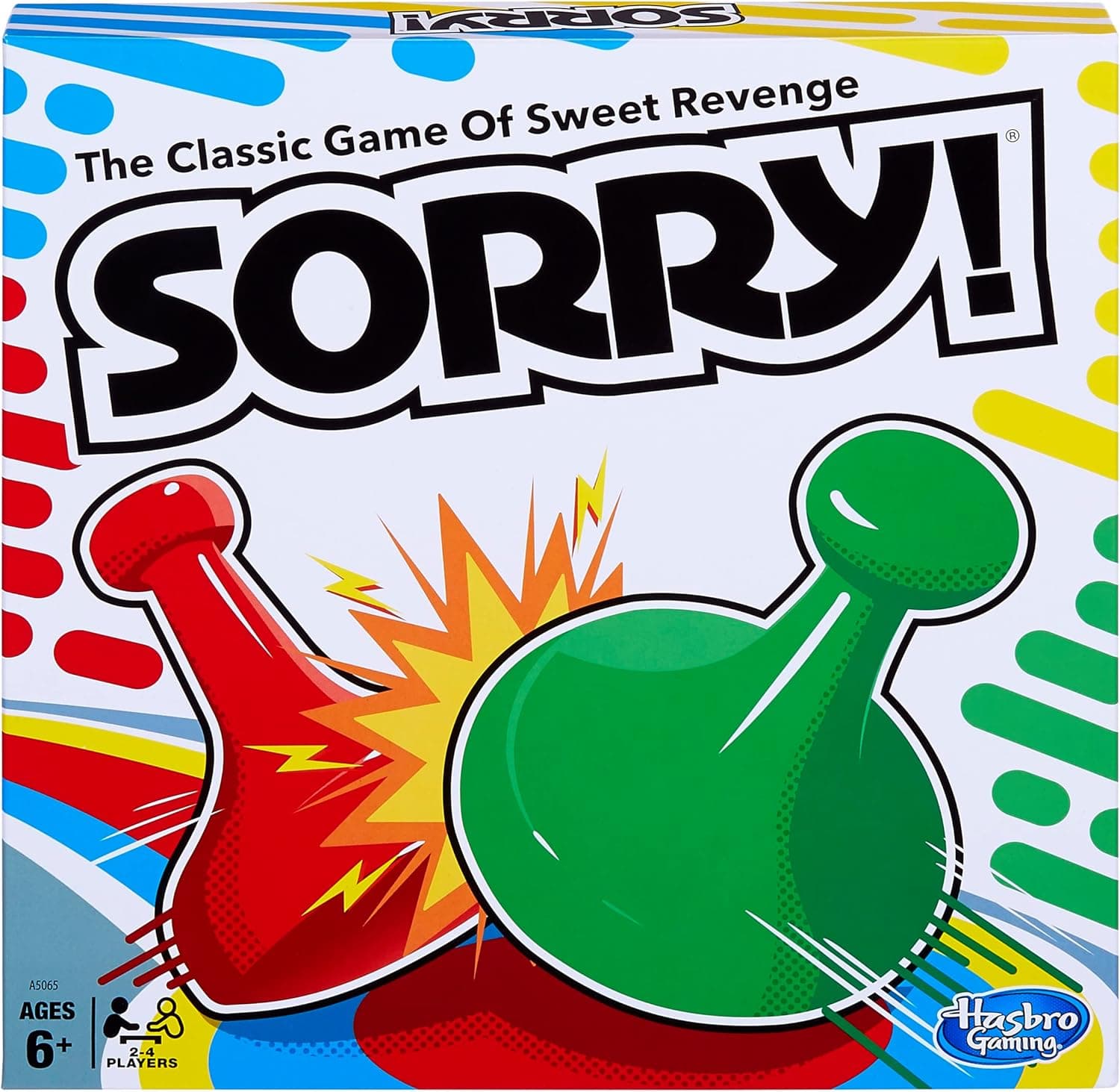 Sorry! Sorry! | Best Overall Classic | 6-8 | $ | For most families, Sorry! earns its spot as a genuine repeat-play pick rather than a nostalgia purchase: real buyers across a wide age range report actually replaying it, not just owning it. The one real gap is storage, budget for a separate small bag or box if you want the pieces to stay together between game nights. If the youngest regular player is under 6, Hasbro's own Junior-rules editions (see our [board games for 8 year olds](/guides/best-board-games-for-8-year-olds) and [family board games](/guides/best-family-board-games) guides) are worth checking before this standard version. | See price (opens Amazon in a new tab) |
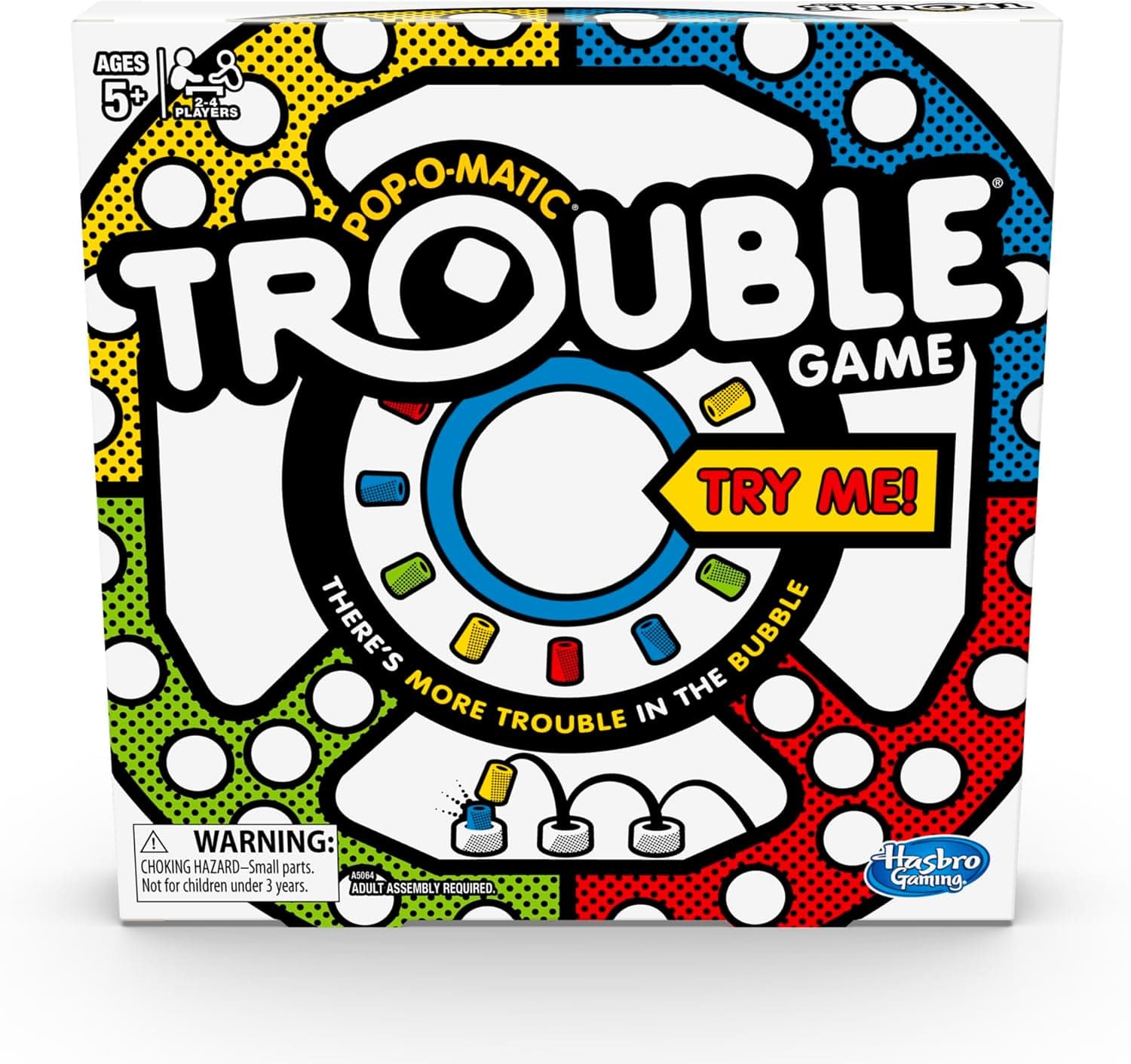 Trouble Trouble | Best for Younger Kids | 6-8 | $ | Trouble earns its spot as a [family board game](/guides/best-family-board-games) staple by staying exactly what it's always been: a fast, easy race game built around one genuinely fun mechanism, the Pop-O-Matic pop. It won't wow anyone with production quality, the plastic is lighter than the vintage version, but for the price of getting a classic that a 5-year-old and a 13-year-old can both enjoy at the same table, it delivers. | See price (opens Amazon in a new tab) |
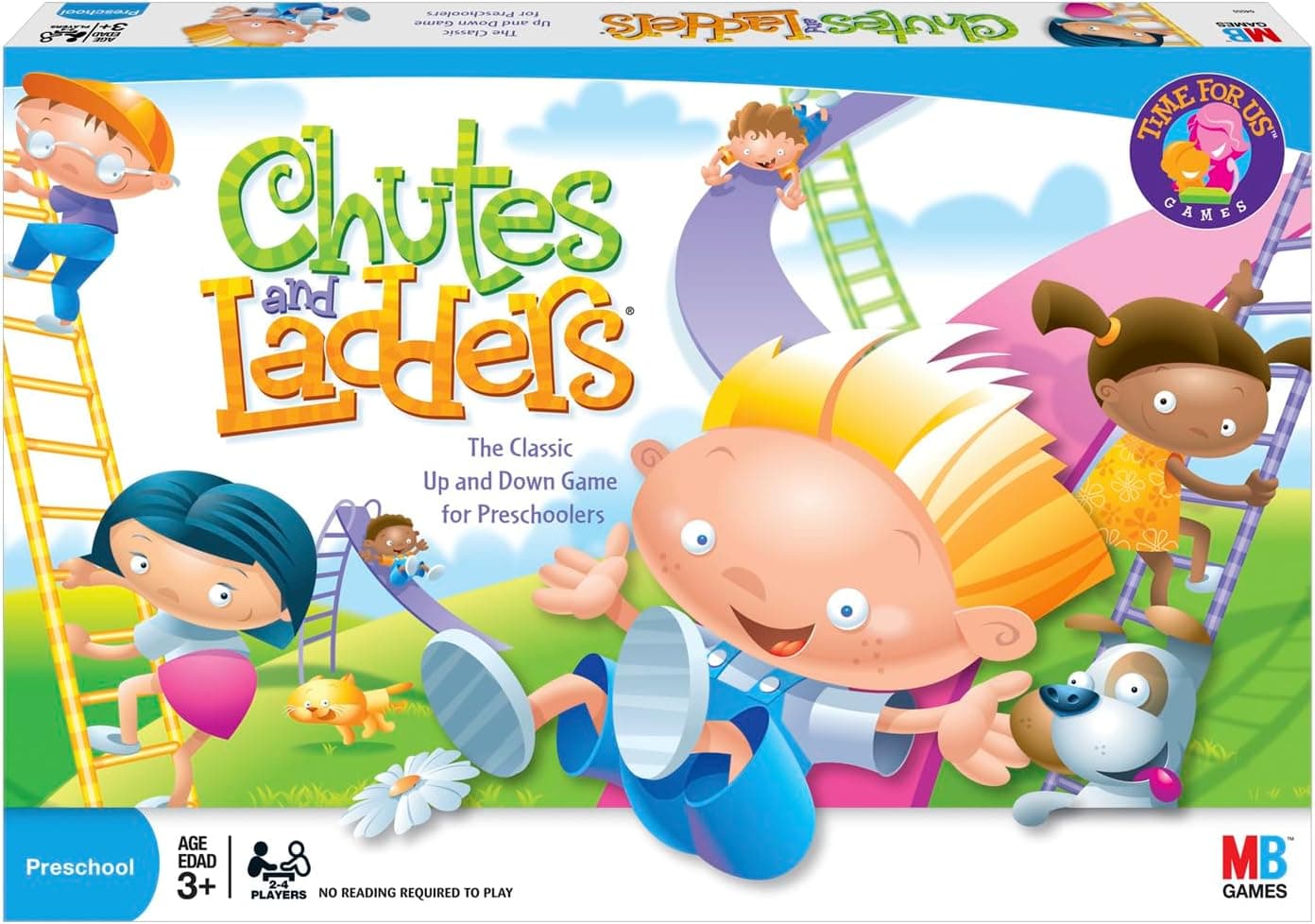
| Chutes and Ladders | Best First Board Game | 3-5 | $ | This is exactly what it looks like: a simple spinner-and-ladder game built for kids who can't read yet and don't want to lose. It's not deep, it's not going to hold a family's attention for years, and the physical components (spinner, cardboard pieces) are cheaper than old-school versions some parents remember. But for the specific job of giving a 3 to 5 year old their first real board game experience, one with turns, numbers, and a clear win condition, it does that job well and cheaply. It also plays a supporting role in our [best classic board games](/guides/best-classic-board-games) roundup alongside the other games that defined a lot of childhoods. | See price (opens Amazon in a new tab) |
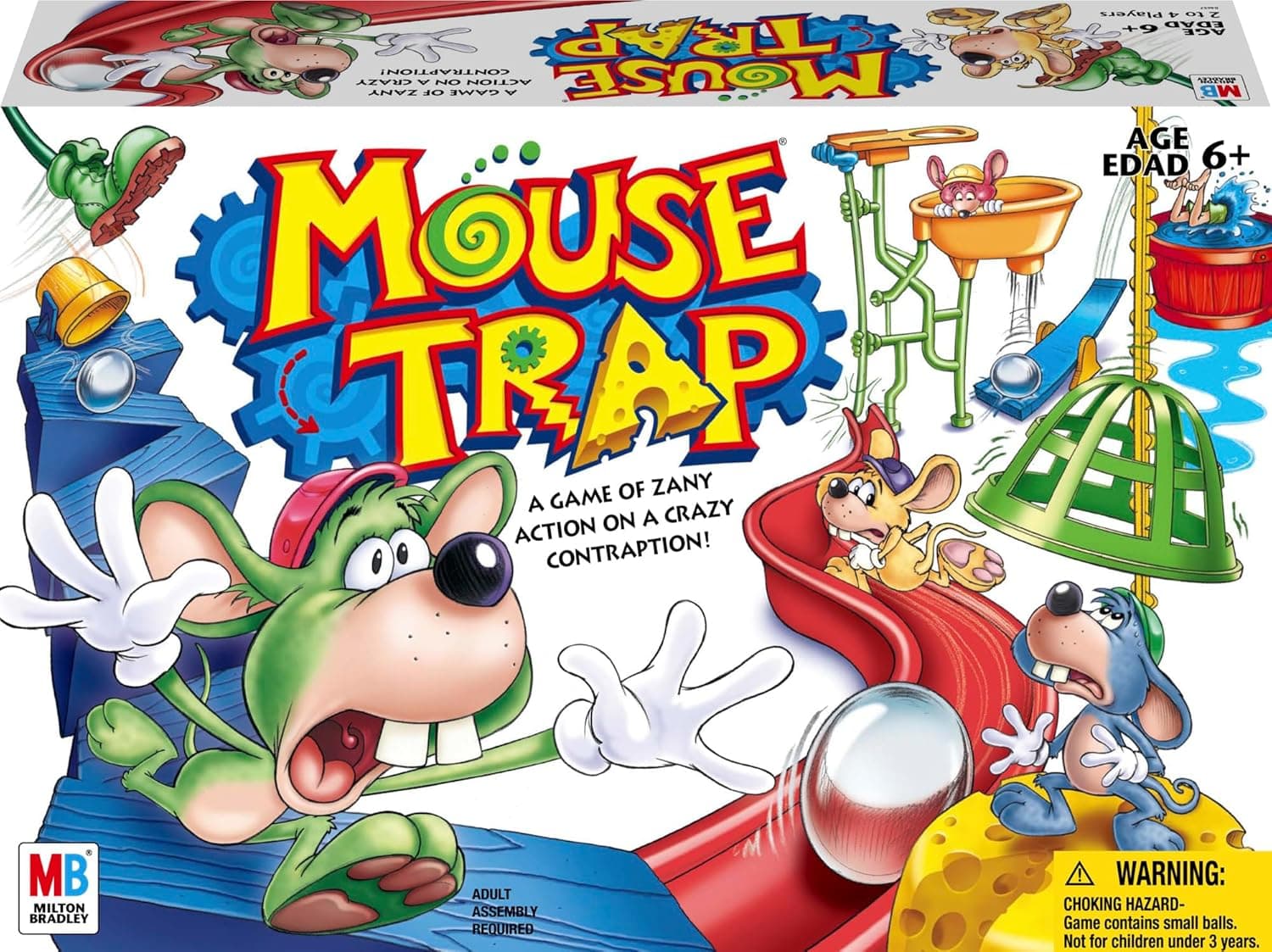 Mouse Trap Mouse Trap | Best for Builders | 6-8 | $ | Mouse Trap earns its reputation less as a competitive board game and more as a construction toy that happens to have a race built in, and buyers who go in with that expectation come away happy. The honest tradeoff real reviewers keep flagging is that the trap is genuinely fussy to assemble and won't fire perfectly every single time even once it's built, so a parent should plan for some fiddling rather than expect it to work like a finished toy out of the box. For a kid who gets as much out of building something as winning with it, it's earned its spot as the [best classic board games](/guides/best-classic-board-games) pick for builders. | See price (opens Amazon in a new tab) |
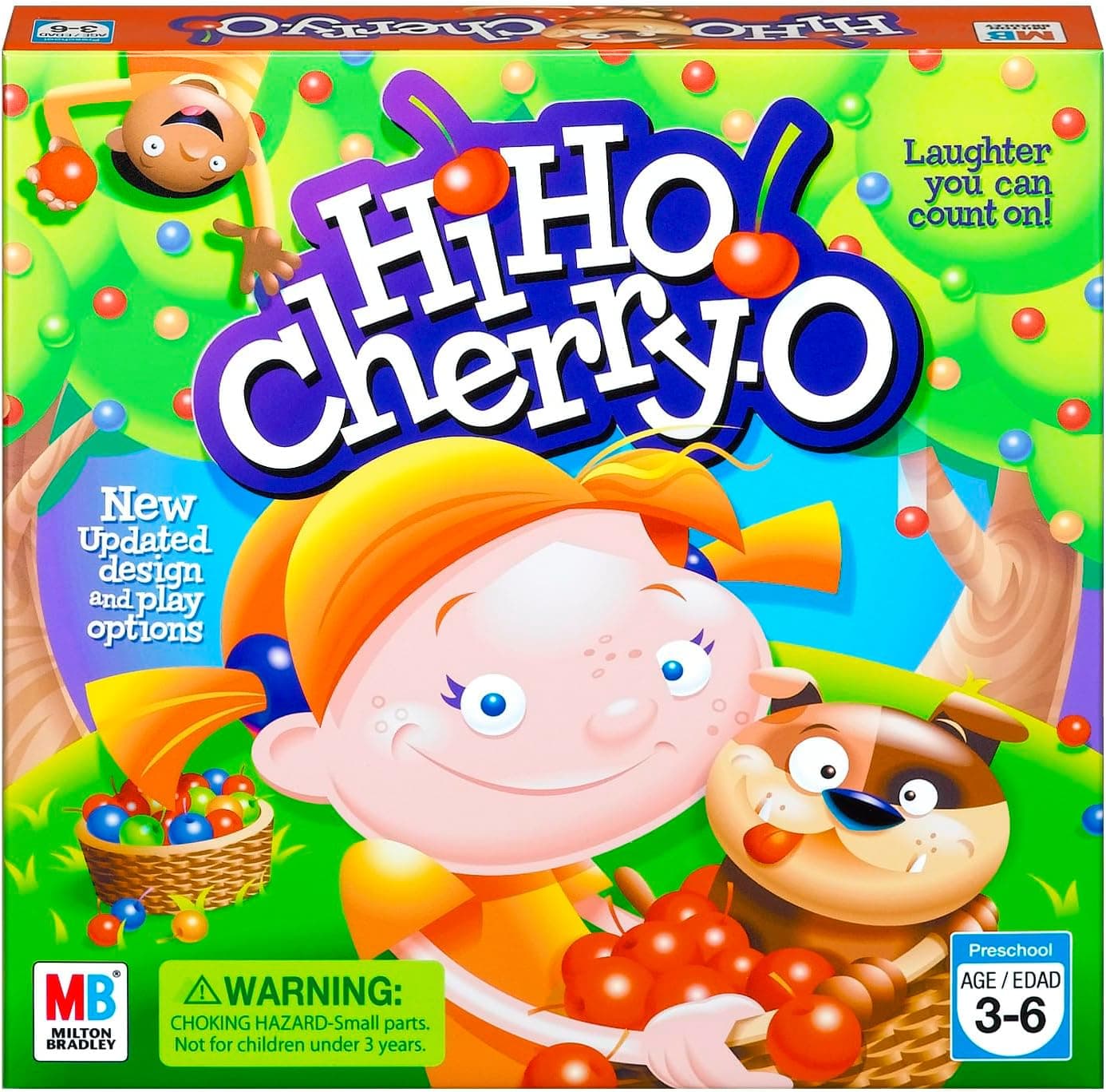 Hi Ho! Cherry-O Hi Ho! Cherry-O | Best for Toddlers | 3-5 | $ | Hi Ho! Cherry-O does one thing and does it well: it gets a 3-year-old counting, winning, and wanting to play again, without needing an adult to run interference the whole time. It's not a game that grows with a kid the way [best classic board games](/guides/best-classic-board-games) like Sorry! or Trouble do, and the small pieces mean it's not the right pick for a toddler still in the mouthing-everything phase. But for the exact window it's built for, ages 3 to 5, it earns its spot as a first board game. | See price (opens Amazon in a new tab) |
What Makes a Classic Board Game Still Worth Buying
Longevity in print is a real signal, but the actual gameplay still has to hold up for a kid who has plenty of newer options to choose from.
What to check before buying a classic board game
- Age fit: a spinner game like Candy Land works for a 3-year-old, but a strategy game like Yahtzee needs an 8-year-old's patience.
- Real replay value beyond nostalgia: the game should still be fun on its own terms, not just familiar from a parent's childhood.
- Piece count and storage: several classics (Sorry!, Trouble) have small pieces that need a plan for staying organized.
- Physical mechanic: Operation and Mouse Trap add a hands-on element that a purely card-and-dice classic doesn't have.
6 Real Classic Board Games
Best for Preschoolers
First published in the 1940s and barely changed since, this is the board game most parents played themselves before their kids ever touched it, and the mechanics still hold up decades later.
Candy Land Kingdom of Sweet Adventures Board Game (Ages 3+) (opens Amazon in a new tab)
A decades-old spinner game that's barely changed since the 1940s and still holds up.
Best Overall Classic
The slide-and-sorry chase game that's been a staple for decades: 4 pawns, a deck of movement cards, and the specific thrill of sending someone's pawn back to Start.
Sorry! (Ages 6-8) (opens Amazon in a new tab)
The classic slide-and-sorry chase game, a family staple for decades.
Best for Younger Kids
The Pop-O-Matic dice dome is the entire pitch: no turn-taking arguments over a lost die, just a satisfying click and a number. A simpler, younger sibling to Sorry!
Trouble (Ages 6-8) (opens Amazon in a new tab)
A simpler, younger sibling to Sorry!, no lost dice thanks to the Pop-O-Matic dome.
Best First Board Game
Pure spinner luck, no reading and no strategy required. A ladder up feels like a win, a chute down is over in a second, not a meltdown.
Chutes and Ladders (Ages 3-5) (opens Amazon in a new tab)
Pure spinner luck with no reading required, a genuine first board game.
Best for Builders
Half the fun is building the Rube Goldberg trap before anyone even starts playing. A board game that's also a construction toy, for a kid more interested in the machine than the race to the cheese.
Mouse Trap (Ages 6-8) (opens Amazon in a new tab)
Half construction toy, half board game, building the trap is as fun as the race itself.
Best for Toddlers
A counting game dressed up as a cherry-picking game, spin the dial and add or drop cherries from your tree. The board game a lot of kids play years before they can read a rulebook.
Hi Ho! Cherry-O (Ages 3-5) (opens Amazon in a new tab)
Counting game dressed up as cherry-picking, playable years before a kid can read a rulebook.
Frequently Asked Questions
Frequently asked questions
Are classic board games still worth buying over newer games?
For the right age, yes. These 6 have stayed in print for decades because the core mechanics still work, not because of nostalgia alone, though a parent's own fond memories don't hurt.
What's the best classic board game for a 3-year-old?
Candy Land or Hi Ho! Cherry-O, both pure spinner or dial-based games with no reading and no real strategy, so a toddler has a fair shot at winning.
Do Sorry! and Trouble play differently?
Trouble uses a built-in Pop-O-Matic dice dome and is generally simpler and better suited to younger kids, while Sorry! uses a deck of movement cards and has a bit more strategic depth.
Is Mouse Trap actually a functional board game or mostly a toy?
Both: building the elaborate trap is itself a construction activity, and once built, it's a genuine race-around-the-board game, which is part of why it's stayed popular for decades.